I move through cities with a quiet awareness that the ordinary is rarely ordinary. As a photographer, I’m drawn to moments that most people pass without noticing: a glance exchanged on a sidewalk, light spilling across a brick wall, or the rhythm of footsteps echoing through an alley. Street photography allows me to work inside the pulse of a place, capturing the human spirit as it unfolds naturally. It is unscripted and honest, which is why I believe it resonates so deeply with viewers.
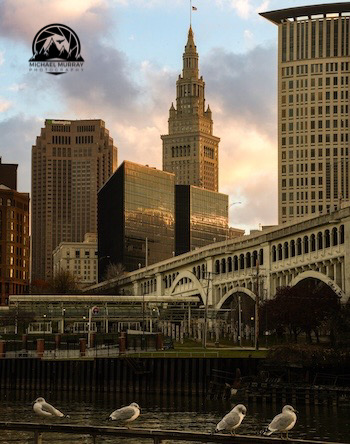
My work often begins in Cleveland, a city whose neighborhoods are filled with stories layered across generations. As a Cleveland street photographer, I see the streets as a living archive. Old industrial buildings stand beside vibrant murals, historic corridors run alongside new businesses, and every block holds traces of people who shaped the community long before I arrived with a camera. The job of a photographer in this environment isn’t simply to document; it’s to listen visually, to pay attention to subtle gestures, expressions, and interactions that reveal something about life in that moment.
Street photography appeals to viewers because it reflects something universal. When people see a candid photograph from a street scene, they recognize themselves in it. A stranger waiting for a bus, a couple walking beneath a row of storefront lights, or a worker pausing outside a café—these moments may belong to one city, but they echo experiences shared everywhere. As a photographer, I try to preserve those fleeting fragments before they disappear into memory.
Cleveland offers endless opportunities for that kind of storytelling. I often walk through historic districts where the architecture itself becomes a participant in the photograph. A corridor lined with aging brick buildings might hold shadows that stretch across the pavement in the late afternoon. An old theater marquee glows against the night sky while people move past beneath it. In those moments, the photograph becomes more than an image—it becomes a quiet dialogue between people and place. That’s one reason being a Cleveland street photographer feels meaningful. The city carries a strong sense of identity, and every photograph contributes another small piece to its visual history.
But my work extends far beyond one city. Traveling across the Midwest and throughout the United States has shown me how every community expresses its character differently. In some places the streets feel calm and reflective, while in others the energy is loud and vibrant. Each environment presents a new challenge for the photographer: new light, new rhythms, new human stories unfolding in public space. A street photographer learns to adapt quickly, reading the atmosphere of a place and anticipating moments before they happen.
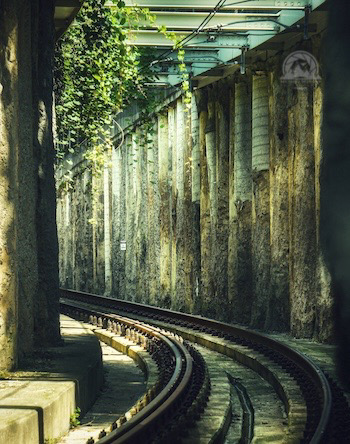
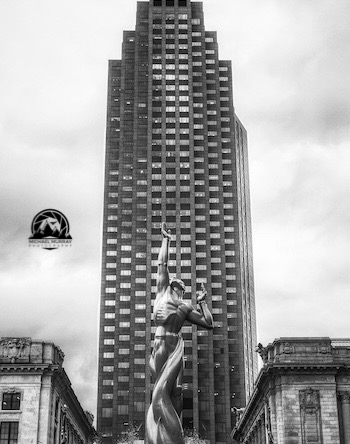
What fascinates me most is how environments influence behavior. A narrow corridor can create intimacy between strangers passing each other. A wide city square invites spontaneous gatherings and movement. Even the textures of buildings and pavement shape how light falls across a scene. As a photographer, I’m always aware that the background is never just background. A wall with fading paint, a mural celebrating local culture, or a building that has stood for a century adds emotional depth to the photograph. These visual elements anchor the human story to a physical place.
Street photography also resonates because it preserves authenticity. In a world where many images are staged or carefully curated, candid street photographs remind viewers that beauty exists in unscripted reality. The photographer becomes a quiet observer rather than a director. My goal is never to control a scene but to witness it. That philosophy has shaped the way I move through the streets—slowly, attentively, and with respect for the people who unknowingly become part of the photograph.
Over time, I’ve come to realize that every city shares a common thread: people searching for connection, meaning, and belonging. Whether I’m walking through Cleveland or another American city, the camera becomes a tool for discovering those connections. The streets become a stage where everyday life unfolds, and the photographer simply waits for the right alignment of light, gesture, and emotion.
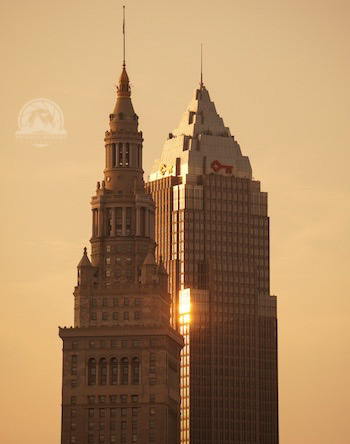
Being a Cleveland street photographer has taught me that powerful images rarely come from grand events. They come from quiet intersections of time and place—a beam of sunlight on a historic building, laughter echoing through a corridor, or a solitary figure framed by the architecture of the city. Those small moments reveal something timeless about the human experience.
That is the enduring appeal of street photography. It reminds us that the world is full of stories happening right in front of us. And for a photographer willing to slow down and look closely, every street, every community, and every building with a rich history offers another opportunity to reflect the human spirit.